
About
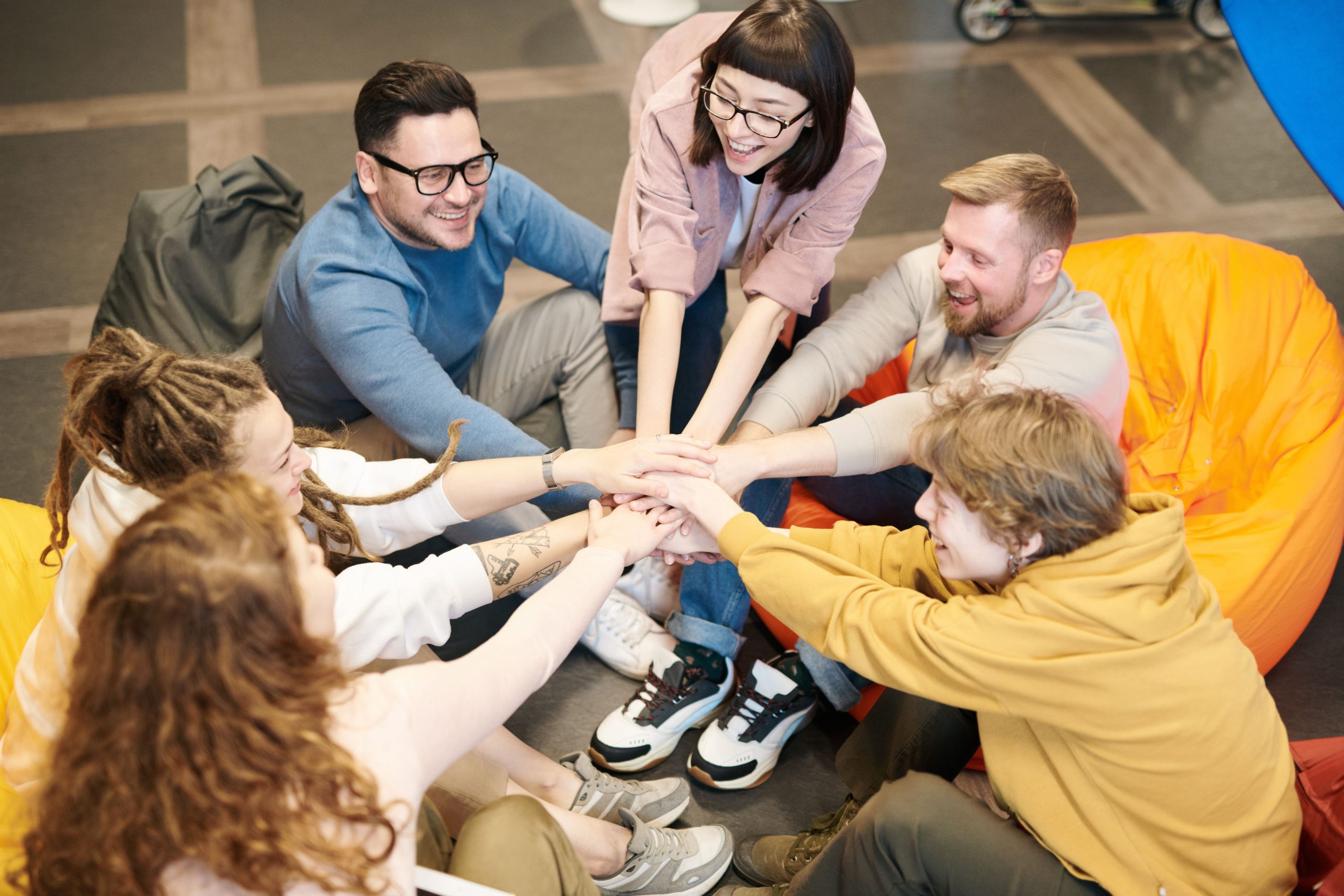
BACKSLASH is a youth organisation based in Valencia, working since 2014 in Spain and across Europe to widen opportunities for young people and strengthen the people, organisations and institutions that work alongside them.

We believe young people should be able to learn, participate and influence the communities and systems that shape their lives. Our role is to help create the conditions for that to happen, especially for those who face the greatest barriers to taking part.
Who we are
BACKSLASH began in Valencia in 2014 and has grown from a youth association participating in European initiatives into an organisation that develops its own methodologies, supports learning processes, connects actors across sectors and territories, and turns experience into better practice.
We work directly with young people and with the people and institutions around them: youth workers, educators, social organisations, schools and universities, public authorities and international networks. This allows us to connect what happens in a training room or local community with wider institutional, European and global conversations.
Our mission
Our mission is to empower and support young people, especially those with fewer opportunities, and the people who work with them through training, participatory non-formal education, intercultural dialogue and collaboration across organisations, educational institutions and public authorities. We work towards a society in which young people have the opportunities, confidence and support to act as agents of social change.
Our vision
We want to contribute to an open, diverse, inclusive, feminist and sustainable society in which rights are guaranteed, different voices are heard and respected, and everyone can access meaningful opportunities to learn and participate. In that society, non-formal education, intercultural dialogue and strong support networks help people shape their communities, and young people are recognised, and recognise themselves, as agents of change.
Our values
Our values guide the choices we make, the relationships we build and the way we design and deliver our work.
- Participation and active citizenship. Young people should have a genuine role in decisions and processes that affect them, not simply be invited to take part after the important choices have already been made.
- Equity. People start from different situations, so we adapt support, resources and opportunities to reduce barriers.
- Coherence. Our decisions, relationships and practices should reflect the principles we defend publicly.
- Social commitment. We focus on changes that can improve people’s opportunities, participation, relationships and everyday life within their communities.
- Collaboration. Complex challenges are not solved by one organisation. We build relationships that allow people and institutions to learn from one another, connect resources and create opportunities together.
- Vocation. We share a deep commitment to young people and we are witnesses to what investing in their capacities produces.
- Feminism. We recognise and question the inequalities produced by gender and work towards fairer relationships, structures and opportunities.
How we work
The same principles shape our work across different projects, topics and territories.
- Social innovation. We develop and improve responses to social needs by asking whether they are useful, accessible and adaptable in practice.
- Critical interculturality. We create dialogue across different realities while paying attention to power, inequality and the specific context in which that dialogue takes place.
- Diversity and inclusion. We design processes that recognise different identities, capacities, trajectories and living conditions.
- Transformative education. We understand learning as a process that builds capacity, critical thinking and the ability to act.
- Empowerment and meaningful participation. We create conditions in which young people can propose, decide, co-create and exercise real influence.
- Human rights, dignity, equality, freedom and non-discrimination as the frame for our action.
- Intersectionality. We consider how different forms of inequality overlap and adapt our work so that participation does not create or reinforce additional barriers.
Across our work, these approaches translate into a practical cycle of listening and applied research, co-creation, testing, learning, improvement and transfer. We do not assume that a methodology works because it looks good on paper. We develop it with the people who will use it, test it in real settings and adapt it before taking it further.
Team
The people who design, coordinate and deliver our work.
