
· News
BACKSLASH presents its Strategic Plan 2026–2030
After a participatory process that combined our own reflection, our track record since 2014 and the voices of young people and youth professionals, we are presenting the plan that will guide our work until 2030.
Today we are presenting the BACKSLASH Strategic Plan 2026–2030: the document that sets out where we are heading over the next five years, why, and how we will know we are getting there. You can read and download it, in English and Spanish, on our new Strategic Plans page, under Impact.
A plan built by listening
A strategy only works if the people who will carry it out recognise themselves in it. That is why the plan was drawn up through a participatory process that combined the team’s internal reflection with a review of the work we have done and our track record since 2014.
We went back over the key milestones, outcomes and lessons learnt of recent years, and we added what we heard in consultations, focus groups, seminars and other forums with young people and youth professionals. We also looked at how our partnerships and the spaces in which we take part have evolved, and at the new areas and territories where we have begun to work. From there, we progressively defined and refined our vision, mission, values, strategic areas and thematic priorities.
The result is a plan built on our experience and in dialogue with the young people and the stakeholders we work with: a living tool, open to review and adaptation throughout its duration.
Why now
BACKSLASH has grown. Our areas of intervention have expanded, and so has the diversity of contexts in which we work. That made it necessary to organise our priorities, strengthen the coherence between our projects and reflect more clearly the social change we contribute to. The plan does not limit our ability to explore new opportunities. It gives us a common framework for deciding where to focus our efforts, how to link our initiatives and how to learn systematically from the results.
It also looks squarely at the context young people live in: digitalisation and artificial intelligence, social polarisation and disinformation, emotional wellbeing, the climate crisis and persistent inequalities.
Four strategic areas, one direction
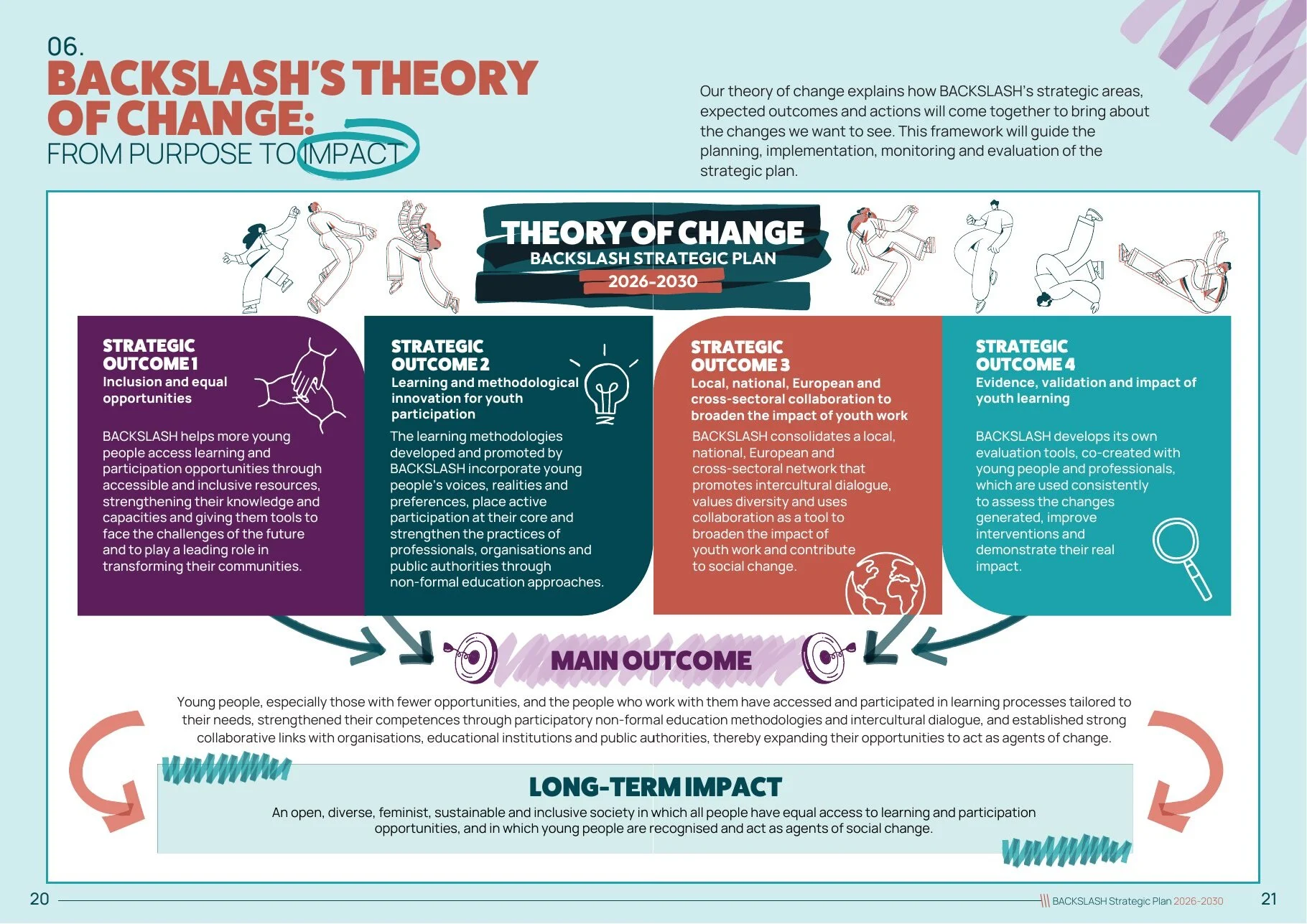
Between 2026 and 2030 our work will focus on four strategic areas, underpinned by our commitment to human rights, feminism, critical interculturalism, inclusion, effective participation and transformative education:
- Inclusion and equal opportunities
- Learning and methodological innovation for youth participation
- Local, national, European and cross-sectoral collaboration
- Evidence, validation and impact of youth learning
A theory of change connects them to the changes we want to see, and eleven thematic priorities, from mental and emotional wellbeing to artificial intelligence, climate action, art and culture or employability, define where we apply them.
Ready for the next European framework
The plan also helps us face a changing European funding landscape with a clear sense of direction. As the EU prepares the next multiannual framework and the programmes that will take over from the current generation from 2028, being clear about who we are, what we contribute and where we want to go matters more than ever.
The plan will serve as a framework for formulating and selecting projects, developing partnerships, allocating resources, institutional communication and impact assessment. It lets us say yes to the proposals that fit our mission and our areas, build the right consortia with organisations that share them, and explain more clearly what BACKSLASH contributes and how each activity connects to a shared vision of the future.
From doing more to achieving more
Our strategy rests on a simple idea: impact does not depend solely on the number of activities or projects we carry out. It is built when opportunities reach a diverse range of people, methodologies respond to specific realities, learning is sustained over time, and partnerships link local work with national, European and global arenas.
That is why the plan comes with an indicator framework and concrete targets. For example: reaching at least 5,000 young people between 2026 and 2030, keeping at least 35% of participants among young people with fewer opportunities, and making sure that at least 80% of our activities include inclusion or accessibility measures. We will review it every year, with a mid-term evaluation in 2028 and a final evaluation in 2030.
Thank you to the young people, youth professionals and partner organisations whose voices shaped this plan. Now comes the important part: putting it into practice.
More news
· News
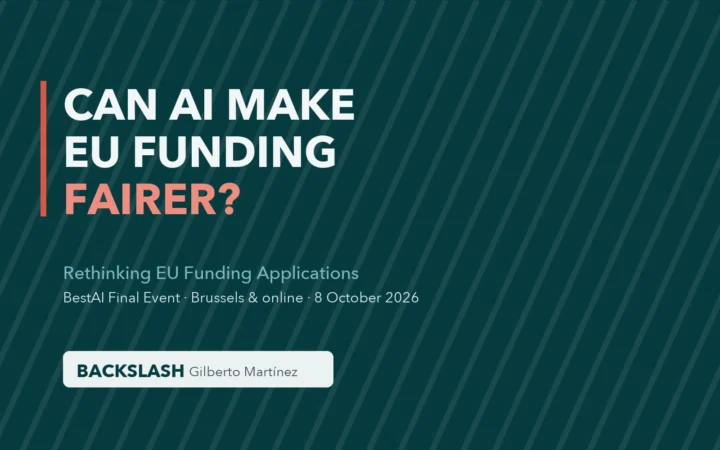
BACKSLASH joins the European debate on AI and fairer access to EU funding
On 8 October, BACKSLASH Director Gilberto Martínez takes part in the BestAI Final Event in Brussels to ask whether AI can make EU funding…
· News
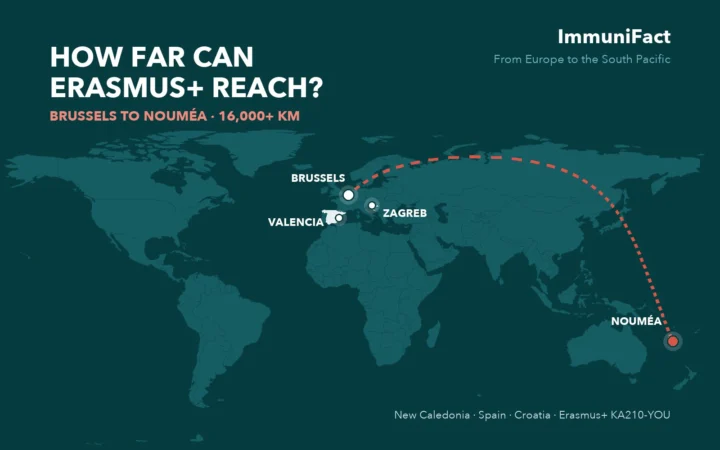
16,000 kilometres from Brussels: ImmuniFact shows how far Erasmus+ can reach
ImmuniFact connects New Caledonia, Spain and Croatia through Erasmus+ to build young people's resilience to disinformation, and shows that European cooperation does not stop…
Project: ImmuniFact
· News
DigiMental Training of Trainers in Vigo
From 23 to 25 September, Backslash organised the DigiMental training at Colegio Montesol in Vigo, which welcomed youth professionals from the Erasmus+ project DigiMental,…
Project: DIGI-MENTAL